Safety in Construction Begins with Personal Protective Equipment
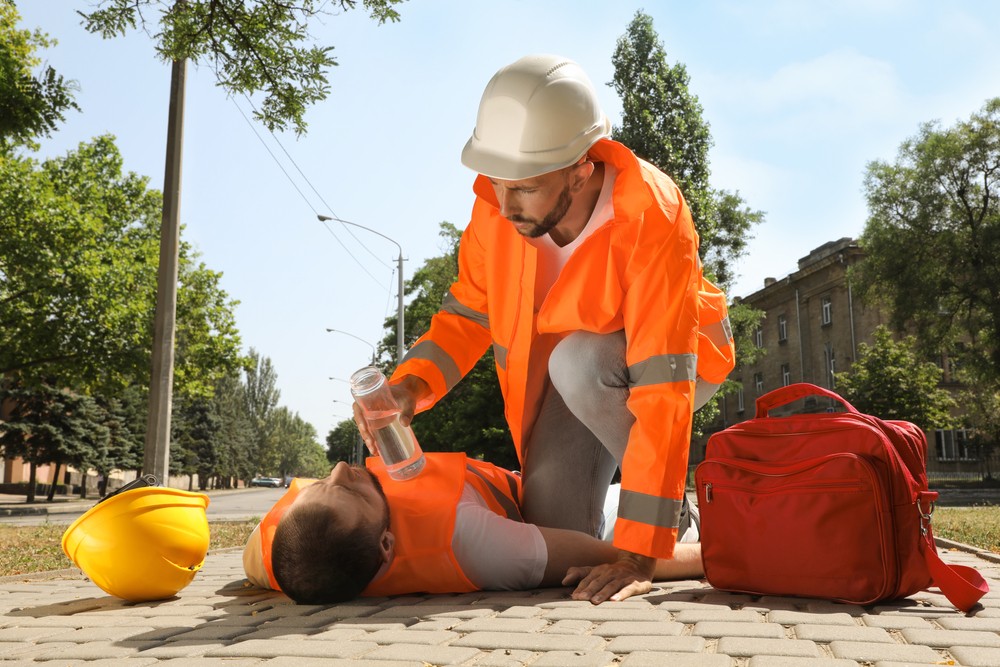
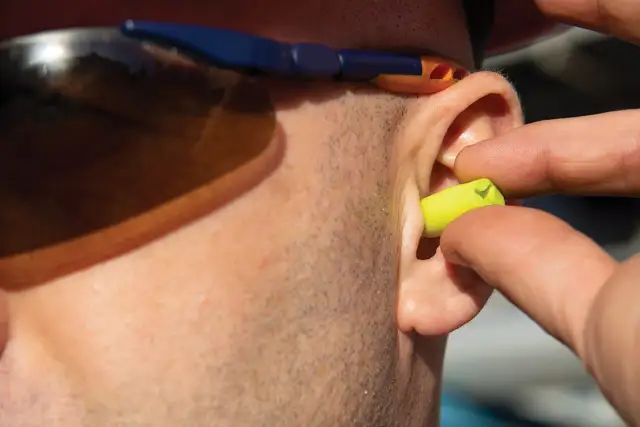
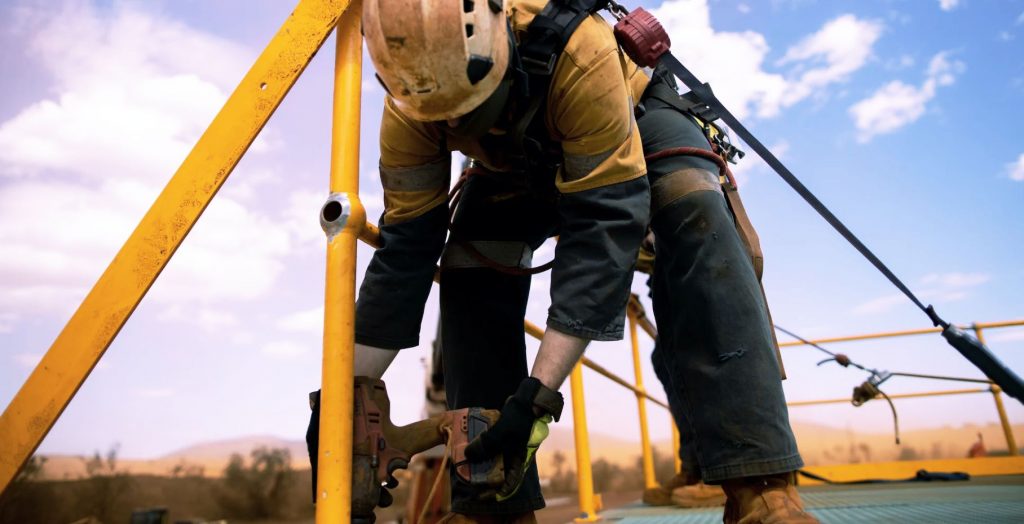
In the world of construction, safety is not just a rule – it is a work culture that we cultivate daily with a hammer in hand and a helmet on our head. On every construction site, regardless of size or type of work, personal protective equipment (PPE) is essential for preserving the health and lives of workers.
Below is an overview of the three most critical body zones that need protection – head, hands, and feet – and how to properly protect them.
Head Protection – The First Shield Against Serious Injuries
On construction sites, falling objects, impacts, and collisions are a constant threat. Wearing a quality protective helmet is not just a recommendation – it is a mandatory safety measure.
The helmet absorbs impacts and protects the brain, the most important “tool” of every worker. Regular inspection and replacement of the helmet are also part of responsible workplace behavior.
Hand Protection – Safeguarding the Most Valuable Tool
Hands are an indispensable tool for every construction worker, but they are also the most exposed to injuries – cuts, impacts, burns, and chemicals.
Work gloves must be adapted to the type of work, ensuring a good grip and protection without compromising precision of movement.
Foot Protection – The Foundation of a Safe Work Zone
On the construction site floor, there are tools, scaffolding, reinforcement bars, concrete, and heavy materials. Without proper footwear, every step can be dangerous.
Safety shoes with steel toe caps protect toes from injuries, while soles resistant to punctures and slipping prevent falls and slips.
Conclusion: Safety Is Not an Add-On – It Is the Foundation of a Successful Construction Site
Investing in safety equipment does not mean higher costs – it means lower risk, greater trust, and a healthier work environment. Together, we are building a culture in which every worker is protected and aware of the importance of proper use of personal protective equipment.
If you need expert advice or certified protective equipment, contact us.